Kenya does something unusual. It packs 1,100-plus bird species and some of the world’s most impressive large mammal populations into the same landscapes. The Secretary Bird stalks through lion country. Vulturine Guineafowl share Samburu with reticulated giraffe. Grey Crowned Cranes wade through Amboseli swamps under a Kilimanjaro sky.
So the question of birdwatching safari vs mammal safari in Kenya is less about picking between two separate experiences and more about understanding where the emphasis sits and how to structure a trip around it. This guide breaks down what each style actually delivers, which parks suit each focus, and how most travelers find a way to combine both.
Kenya’s Bird Diversity: Why It Matters
The 1,100-plus bird species recorded in Kenya represent roughly 10 percent of all bird species on Earth inside a single country. This reflects the range of habitats available:
- Savanna and open grassland (Masai Mara, Amboseli): Raptors, rollers, bee-eaters, Secretary Birds, ostriches
- Alkaline Rift Valley lakes (Nakuru, Bogoria): Flamingos (up to one million), pelicans, cormorants, waders
- Forest and highland (Aberdare, Mount Kenya): Endemic turacos, sunbirds, mountain buntings
- Arid northern scrub (Samburu): Somali ostrich, Vulturine Guineafowl, Abyssinian Ground Hornbill
- Coast and wetlands (Watamu, Arabuko-Sokoke): Coastal endemics, mangrove kingfishers, shorebirds
- Rift Valley (migration routes): European rollers, storks, raptors in vast numbers seasonally
What a Dedicated Birding Safari Looks Like
A birding-focused safari is structured around bird species as the primary goal. The key differences from a standard mammal game drive:
Slower pace. Birding requires frequent stops, careful scanning of vegetation, and listening for calls. A standard game drive that covers 60 kilometers in a morning might cover 20 on a dedicated birding drive.
Specialist guide. A birding guide reads calls, identifies species at distance, and knows the habitat preferences of target species. A general wildlife guide will point out obvious birds but lacks the depth to find and identify the more elusive ones.
Earlier starts. Birds are most active at dawn. A birding drive departs before first light and focuses hard on the golden-hour window when activity peaks.
Specialist habitats. A birding safari includes specific locations not on a standard game drive route: forest edges at specific times, reed beds, lake margins, rocky hillsides, papyrus swamps.
Equipment. Binoculars are more central on a birding safari than on a standard mammal drive. Some serious birders also carry a spotting scope mounted in the vehicle for distant or small species.
What a Mammal Safari Looks Like
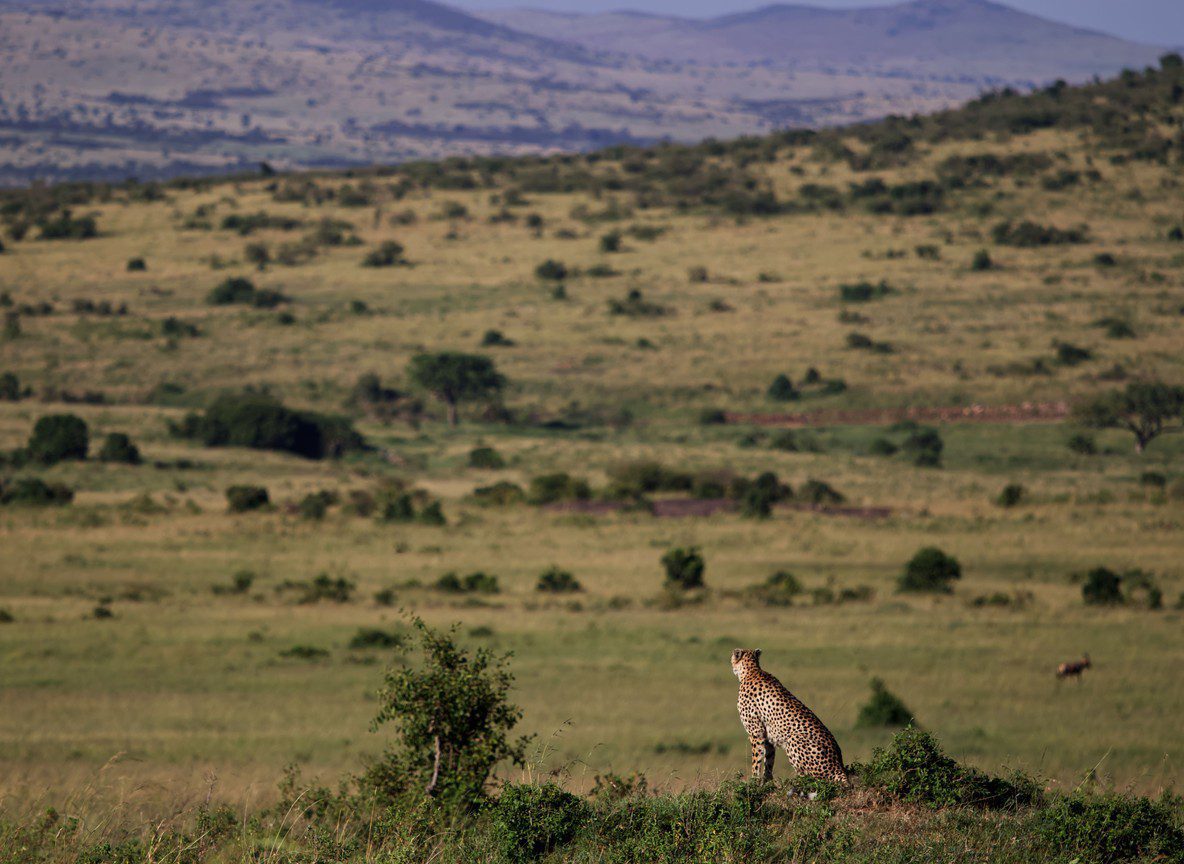
A mammal-focused safari prioritizes the Big Five and large mammal encounters: lions, leopards, cheetah, elephants, buffalo, rhino, and the broader supporting cast of giraffe, zebra, wildebeest, and plains game. The pace is driven by animal locations, tracking sightings across the reserve and staying with encounters.
Most general Kenya safaris are mammal-focused by default. Game drives are structured around finding predators and observing large mammal behavior.
Key Differences: Birdwatching vs Mammal Safari
| Factor | Birding safari | Mammal safari |
|---|---|---|
| Primary focus | 1,100+ bird species | Big Five and large mammals |
| Guide specialization | Ornithology/birding trained | General wildlife guide |
| Pace | Slow, frequent stops | Variable: fast movement to sightings |
| Equipment | Binoculars, field guide, scope | Camera with telephoto lens |
| Best time of day | Dawn (most active) | Dawn and dusk (predator activity) |
| Best season | Wet season (migrants Oct to April) | Dry season (Jul to Oct) |
| Parks of focus | Lake Nakuru, Samburu, Aberdare, Arabuko | Masai Mara, Amboseli, Tsavo |
| Cost comparison | Similar base cost; specialist guide premium | Standard safari cost |
The Overlap: Where Mammals and Birds Share the Same Scene
The birdwatching vs mammal safari framing understates how much the two experiences intersect in practice. On a typical Masai Mara morning game drive:
- Martial Eagles, Secretarybirds, and Bateleur Eagles share the same plains as lion prides
- Lilac-breasted Rollers and Superb Starlings land on game drive vehicles
- Ostriches run alongside zebra herds
- Saddle-billed Storks wade alongside hippo pools
- Yellow-billed Oxpeckers remove parasites from buffalo and giraffe in real time
Kenya’s best safari parks are exceptional for both birds and mammals simultaneously. A non-birder will still see hundreds of striking bird species on a standard game drive, simply because of the density and visibility of Kenya’s avifauna. The overlap is not incidental. It is a defining feature of the ecosystem.
Best Kenya Parks for Birdwatching
Lake Nakuru National Park. The flamingo lake, historically hosting up to a million birds. Also exceptional for pelicans, cormorants, and waterfowl. More than 450 species recorded.
Samburu National Reserve. Specialist northern species: Vulturine Guineafowl, Abyssinian Ground Hornbill, Somali Ostrich, Pygmy Falcon. Among the best birding in Kenya for anyone with a northern circuit focus.
Aberdare National Park. Highland forest species including several Kenya endemics. Less visited than the major parks but outstanding for montane birding.
Lake Baringo. One of Kenya’s premier birding lakes: Hemprich’s Hornbill, Goliath Heron, and 450-plus species on the lake and surrounding escarpment.
Arabuko-Sokoke Forest (Coast). One of Kenya’s most important birding sites for coastal forest endemics including Sokoke Scops Owl and Amani Sunbird.
Masai Mara. The open savanna system supports extraordinary raptor and large bird diversity alongside its mammal wealth.
Can You Do Both on One Trip?
Yes, and many Kenya travelers do exactly this. A circuit that includes the Masai Mara (mammals and savanna birds), Lake Nakuru (flamingos and waterbirds), and Samburu (Special Five and northern bird species) delivers both an outstanding mammal safari and a genuinely world-class birding experience in a single 8 to 10 day trip.
The key is building the itinerary in the right sequence. Nakuru sits between Nairobi and the Mara, making it a natural stopover. Samburu adds a completely different habitat to the north and is typically combined with a Laikipia visit for those who want the full northern Kenya experience.
For dedicated birdwatchers, a trip with a specialist ornithology guide changes the depth of what is possible. The pace slows, the target list becomes systematic, and specific sites within each area are chosen for their species potential rather than their general appeal.
Which Should You Choose?
Choose a mammal safari if:
- The Big Five, the Great Migration, and large predator sightings are your primary goal
- You are on a first Kenya safari and want maximum wildlife coverage
- You are traveling with companions who have different interests and priorities
Choose a dedicated birding safari if:
- You are a keen birdwatcher with specific target species
- You want a specialist ornithology guide for the full depth of experience
- You are a return Kenya visitor who has done the mammal safari and wants a different focus
Combine both: A multi-park Kenya circuit with the Masai Mara, Lake Nakuru, and Samburu gives you both experiences without having to choose. The three parks are different enough in habitat, species, and atmosphere that the trip feels varied rather than repetitive.
Explorer Notes
On season timing. The tension between birding season and mammal season is real. The wet season from November to April brings the Palaearctic migrants and puts resident birds in breeding plumage, which is the best window for serious birders. The dry season from July to October concentrates mammals at water and produces the best predator action. Most travelers pick one or combine both by designing a longer trip.
On the Special Five in Samburu. Samburu’s Special Five are all species with distinct northern distributions not found elsewhere in Kenya: Reticulated Giraffe, Grevy’s Zebra, Beisa Oryx, Somali Ostrich, and Gerenuk. A Samburu visit adds these to the mammal list alongside the exceptional bird diversity, making it one of the most efficient parks for a combined focus trip.
On cost. A dedicated birding guide commands a premium over a general wildlife guide. If birding is genuinely your priority rather than a complement to the mammal experience, budget for specialist guiding. The difference in species count and encounter quality is significant.
Conclusion
Kenya does not make you choose between birds and mammals. The landscapes are rich enough for both, and the best circuits serve both simultaneously. If you are birding-focused, you build an itinerary around specialist habitats and specialist guides. If you are mammal-focused, you will still encounter some of the most spectacular birds on the continent every day without trying.
The honest recommendation: decide on your primary focus, plan the itinerary around it, and let the other dimension add to the experience as it naturally will.
What to Read Next
- Kenya birding safari guide: top hotspots and endemic species
- Best time to visit Masai Mara for wildlife and the Great Migration
- Samburu National Reserve: the Special Five and the northern circuit
- Kenya safari planning guide: parks, seasons, and first-timer decisions
Have questions about this itinerary or destination? Get answers from a safari specialist before you commit.
Inquire More